For many organizations, efficient management of personnel is still a very big goal. Team organization, responsibilities, and schedules are made much easier and more efficient by the use of a staff management system. These tools all help facilitate communication, ensuring performance tracking and allowing for a more collaborative feel. Staff management systems not only help in better organization but also improve productivity and morale.
Centralized Information Access
One of the main benefits of staff management systems is that they can aggregate all the relevant information. It enables employees to access schedules, assignments, and important updates from a single site. This combines control to reduce confusion and unify the communication channels. Keeping everything in one place enables the elimination of miscommunication and ensures everyone is on the same page.
Simplified Scheduling and Shift Management
Scheduling shifts can be a hassle, particularly for bigger teams or companies with differing positions. This task becomes easy using staff management systems, as they automate scheduling. From assigning shifts and approving requests to adjusting schedules as needs change, managers can quickly make changes as required. This ensures that all staff members are aware of any changes to the schedules so that they do not have a missed shift or scheduling conflict.
Enhanced Communication Channels
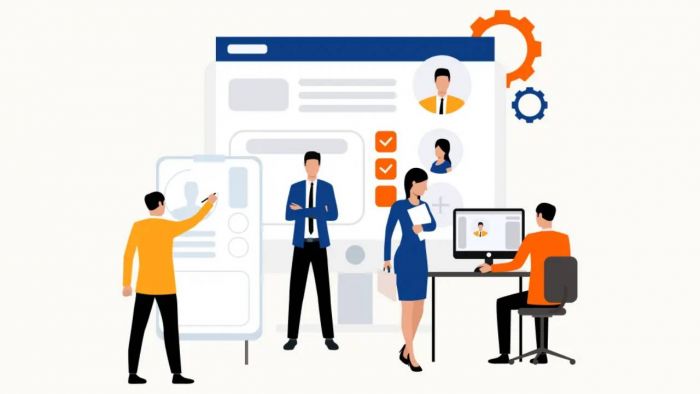
Good communication is key to getting your workers on the same page. The staff management system has tons of messaging and notification features that are helpful to your team to reach each other faster. You can instantly share important announcements, policy updates, and reminders with all employees. Direct messaging tools are a quick click away, and that helps foster collaboration, feedback, and support. These systems ensure the channels for communication are properly set up, resolving any problems prior to them ending up being problematic.
Performance Monitoring and Feedback
Tracking employee progress and providing them with timely feedback leads to a better-coordinated workforce. Performance monitoring is another element seen in most of the staff management systems. Supervisors can use it to set targets, track accomplishments, and reward extraordinary performance. Frequent feedback allows the employee to work on what is expected of them. By having a transparent way to track performance, accountability becomes part of the culture, and people will feel more motivated to contribute to the wider goals.
Task Allocation and Progress Tracking
Delegate and track tasks to ensure that the project is on course. A staff management platform gives managers a way to assign responsibilities across the board without getting bogged down in details. This approach provides employees with clarity in instruction and deadlines, which assists in determining the urgency of their work. They also allow managers to visually track the progress of tasks done and still to do for better focus.
Streamlined Onboarding and Training
Onboarding new employees and continuous training are paramount to ensure coordination in the workforce. For example, many staff management systems now come with onboarding modules that help new hires get oriented. You can upload training resources, and the team members can access them whenever required. Tracking progress automatically helps to ensure that everyone completes the required courses and certifications. This ensures that each employee is prepared to hit the ground running.
Improved Attendance Tracking
Keeping accurate attendance or attendance records is essential to managing workforce paper trails. With staff management systems, attendance, absence, and leave requests can be tracked in real-time. Digital clock-in and clock-out provide an accurate record of employee hours. The managers have a fast check on the attendance data, and alerts are sent in case of an absence or late arrivals.
Data-Driven Decision Making
Real-time access to data makes it possible for managers to make a call on how to best coordinate their workforce. Staff management systems report on attendance and other performance metrics and create reports. Such input provides cues on trends, identifies bottlenecks, and optimizes your resources better. As team leaders react to new challenges as they arise, data-driven decision-making helps ensure that they do so quickly and effectively. Better visibility enables both long-range planning and ongoing optimization.
To Sum Up
Staff management systems are no longer gadgets but must-have tools for organizations aspiring to enhance workforce coordination. These platforms strengthen collaboration by streamlining communication, centralizing information, and simplifying scheduling. By combining performance monitoring, simplified onboarding, and real-time information, operations are optimized. This leads to more productive, engaged, and adaptable teams.
Post Comment
Be the first to post comment!