Choosing commercial trucks is one of the biggest investments a company can make. Whether you operate a small service business with a handful of vehicles or manage a growing regional fleet, every purchase affects operating costs, productivity, maintenance schedules, and customer satisfaction. Looking beyond the sticker price helps businesses avoid expensive surprises while building a fleet that supports growth for years. A thoughtful buying strategy focuses on reliability, safety, flexibility, and total ownership costs instead of chasing the newest model or the lowest advertised price.
Understand Your Fleet's Daily Needs Before Shopping
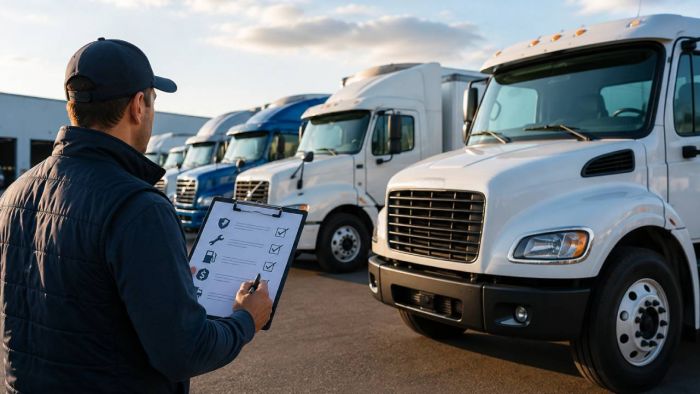
The search should begin with a realistic look at how each vehicle will actually be used. A landscaping company has very different needs than a plumbing contractor, delivery service, or utility provider. Payload capacity, towing ability, cargo organization, fuel economy, and driver comfort all deserve careful consideration before comparing brands or trim levels. Companies that transport employees may also need a passenger van for sale that offers dependable seating capacity while still providing commercial durability for daily use.
It is also smart to think beyond today's workload. If your business expects steady growth over the next several years, purchasing equipment with additional capability can reduce replacement costs later. Matching each vehicle to its intended purpose creates a more efficient fleet while preventing unnecessary wear from asking trucks to perform tasks outside their design limits.
Focus on Total Cost Instead of Purchase Price
A lower purchase price does not always translate into better value. Fuel consumption, maintenance intervals, insurance costs, tire replacement, repair availability, and expected resale value all contribute to the overall cost of ownership. Two trucks with similar window stickers may deliver dramatically different expenses after five years of daily operation.
Warranty coverage deserves careful attention as well. A strong factory warranty and widespread dealer service network can reduce downtime when repairs become necessary. Businesses lose money when vehicles sit in repair bays instead of serving customers, making reliability one of the most valuable features any commercial truck can offer.
Fleet managers should also examine maintenance records for any used vehicles under consideration. A truck with documented service history often represents a better investment than one with lower mileage but incomplete records. Preventive maintenance almost always costs less than unexpected repairs.
Prioritize Safety, Technology, and Driver Comfort
Commercial vehicles spend countless hours on busy highways, construction sites, and city streets. Modern safety technology can reduce collision risk while making long workdays less stressful for drivers. Features such as automatic emergency braking, blind spot monitoring, adaptive cruise control, rear cross traffic alerts, and high quality backup cameras are becoming increasingly valuable for commercial operations.
Cab design also deserves more attention than many buyers initially expect. Drivers who spend eight or ten hours behind the wheel appreciate supportive seats, organized storage, easy controls, and modern connectivity. Comfortable employees often experience less fatigue during demanding workdays, which can improve both productivity and overall job satisfaction.
Technology should support daily operations rather than complicate them. Navigation systems, fleet management software compatibility, and integrated telematics can help businesses monitor fuel usage, maintenance schedules, and vehicle performance without creating unnecessary complexity.
Think About Future Technology Without Chasing Every Trend
Fleet purchasing should balance today's proven technology with tomorrow's innovations. Electric trucks, hybrid systems, and advanced driver assistance features continue to improve every year. Many buyers also wonder about self driving vehicles? While autonomous technology continues to develop rapidly, fully self-driving commercial fleets remain limited in most real world business environments. Companies should stay informed about industry developments without delaying necessary purchases while waiting for technology that may still be years away for widespread commercial use.
Instead, focus on trucks that can adapt as technology evolves. Vehicles with software update capability, expandable telematics, and compatibility with modern fleet management systems provide flexibility without forcing businesses to gamble on features that remain under development. Smart purchasing means investing in dependable equipment that serves current operational needs while leaving room for future improvements.
Build a Fleet That Supports Long Term Growth
The strongest commercial fleet is rarely assembled overnight. Successful companies often replace vehicles on a planned schedule, allowing them to control maintenance costs while keeping equipment dependable and professional looking. Standardizing truck models where practical can also simplify maintenance, reduce parts inventory, and make driver training more consistent across the organization.
Relationships with reputable dealerships and service providers matter as much as the trucks themselves. Reliable maintenance support, available replacement parts, and knowledgeable technicians help keep vehicles working instead of waiting for repairs. Taking time to evaluate every purchase through the lens of long term value helps businesses avoid costly mistakes while creating a fleet prepared for years of dependable service. Sourcing commercial trucks successfully means balancing performance, durability, operating costs, and future business goals. Careful planning before signing the purchase agreement often delivers the greatest return long after the truck leaves the dealership lot.
Post Comment
Be the first to post comment!